This article was featured in the official IMPA publication - Supply Chain and Sustainability Magazine, Issue 1 2026
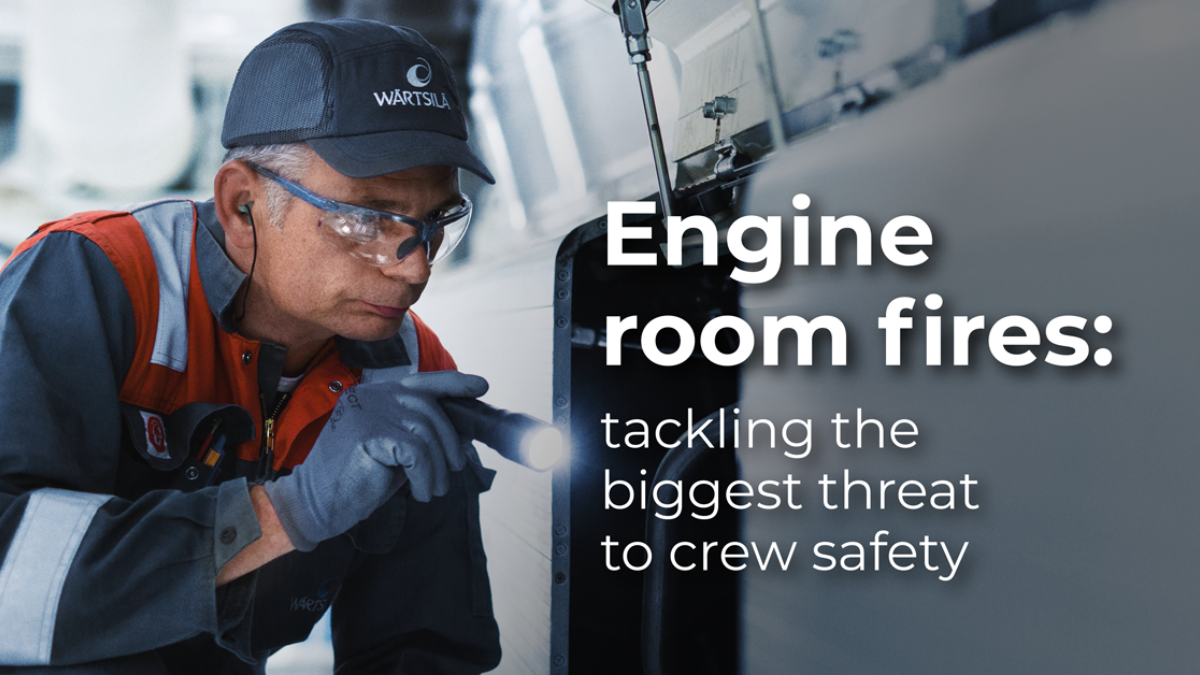
In the maritime industry, few risks are as persistent and potentially devastating as engine room fires. These incidents account for two out of every three shipboard fires, and the consequences – ranging from threats to life and environmental damage to financial loss and reputational harm – can be catastrophic. Protecting people from this risk requires more than simply meeting regulatory standards; it calls for proactive measures, thorough maintenance, and a strong commitment to long-term safety.
The most common cause of engine room fires is oil or other flammable liquids leaking onto hot surfaces. This accounts for over half of all such incidents. While electrical faults and mechanical failures also contribute, the ignition of leaked fluids on high-temperature components remains the primary concern. Engine components, exhaust pipes, and other machinery often operate at temperatures well above 200°C, creating numerous potential ignition points. When high-pressure systems fail – whether due to a cracked seal, a faulty fitting, or a ruptured pipe – oil can spray onto these surfaces and ignite instantly.
Complete prevention of leaks may be unrealistic, but mitigating their consequences is entirely achievable. The International Convention for the Safety of Life at Sea (SOLAS) sets clear standards, including a requirement that engine surface temperatures remain below 220°C. However, many operators are voluntarily aiming for even lower thresholds.
At Wärtsilä, we’ve developed a range of technologies and services to support operators in meeting – and exceeding – these standards. For example, our heat insulation panels are designed to minimise surface temperatures while maintaining accessibility for maintenance. These panels are engineered to be both rigid and flexible, ensuring durability during installation and servicing. But technology alone isn’t enough. Protecting people from engine room fires requires a holistic approach, starting with four key actions.
At Wärtsilä, we’ve developed a range of technologies and services to support operators in meeting – and exceeding – these standards. For example, our heat insulation panels are designed to minimise surface temperatures while maintaining accessibility for maintenance.
1. Conduct comprehensive engine audits
An engine audit is the foundation of any fire prevention strategy. It assesses the current condition of insulation solutions and identifies areas for improvement. At Wärtsilä, we offer both design-related inspection audits and compliance audits. The former helps operators plan upgrades by mapping the engine layout and verifying interfaces for new insulation. The latter ensures SOLAS compliance through infrared thermography (IRT), identifying hot spots and spray risk areas. These audits provide detailed reports, including thermal images, temperature readings, and recommendations for corrective action.
2. Maintain a clean and well-organised engine room
Good housekeeping is one of the simplest yet most effective ways to reduce fire risk. A clean engine room not only reflects crew professionalism but also facilitates early detection of hazards. Oil spills, loose wiring, and misplaced tools can all contribute to fire risk if left unchecked. Regular inspections and prompt repairs of fuel lines, seals, and electrical systems are essential.
Moreover, ensuring that oil piping connections are properly screened – and that screens are replaced after maintenance – can prevent leaks from reaching hot surfaces. A tidy engine room improves crew morale, simplifies maintenance, and enhances overall safety.
Effective fire risk reduction in engine rooms hinges on solutions that not only comply with SOLAS standards but also simplify installation and maintenance for ship operators. Industry best practices include using insulation panels supported by robust documentation and on-site assistance to ensure correct installation and continued performance.
3. Update insulation following engine modifications
Engine upgrades or repairs often necessitate changes to insulation. Modifications to exhaust systems, turbochargers, or washing systems can alter heat distribution and create new risk areas. Wärtsilä’s audits help operators identify these changes and redesign insulation panels accordingly. Failing to update insulation after engine modifications can render existing panels ineffective, compromising compliance and safety.
4. Prioritise long-term solutions over quick fixes
While patching insulation panels may seem cost-effective in the short term, it often leads to recurring issues. Fire-retardant mattresses, for example, may temporarily cover hot spots but can cause overheating and eventual panel failure. Comprehensive replacements should be considered when needed, based on thorough audits and expert guidance. Smaller defects may indicate larger underlying problems and addressing them holistically is the most effective way to ensure lasting safety.
Preparing for port state control inspections
Port State Control (PSC) inspections are increasingly focused on fire safety deficiencies. Operators must be prepared to demonstrate regular maintenance, crew training, and awareness of vessel-specific vulnerabilities. Thermal imaging equipment is now affordable enough to be included in routine inspections, enabling crews to identify problem areas early. PSC officers also assess crew readiness through drills, and poor performance can result in vessel impoundment. Understanding a vessel’s weak points – and addressing these proactively – is key to passing inspections and maintaining operational integrity.
Enhancing safety of people requires proactive measures
Effective fire risk reduction in engine rooms hinges on solutions that not only comply with SOLAS standards but also simplify installation and maintenance for ship operators. Industry best practices include using insulation panels supported by robust documentation and on-site assistance to ensure correct installation and continued performance. Advanced inspection techniques, such as 3D scanning audits, are increasingly utilised to identify environmental variables that could impact insulation effectiveness, helping operators stay ahead of potential risks.
Original equipment manufacturers play a crucial role by offering tailored advice and rigorously tested solutions. The aim should go beyond mere regulatory compliance; the true objective is to enable operators to set new benchmarks in safety, safeguarding people, vessels, and reputations. For example, at Wärtsilä, insulation panels come with comprehensive instructions and support, demonstrating how manufacturers can assist operators in exceeding regulatory expectations.
While engine room fires remain a persistent challenge in the maritime industry, they are preventable with the right mix of technology, ongoing training, and a commitment to long-term safety strategies. By adopting holistic approaches and leveraging innovative solutions, the industry can make significant strides in protecting people from the very real risk of an engine room fire.
..........................................................................................................................................................................................................................
Read more articles like this: here
Read more articles from the IMPA BLOG | Subscribe to receive a digital copy of the IMPA Magazine