
This article was featured in the official IMPA publication - Supply Chain and Sustainability Magazine, Issue 2 2024
The Safety of Life at Sea (SOLAS) Convention is a cornerstone of international maritime safety standards. As global regulations adapt to advancements in technology and shifts in the operational landscape, keeping abreast of the latest SOLAS amendments is paramount for shipping and ship management companies.
Procurement in particular plays a pivotal role in meeting these regulations, ensuring that fleets are not only comply with current regulations but that crew safety and welfare is of the highest standard.
Understanding the Latest SOLAS Requirements
The International Maritime Organisation (IMO) periodically updates SOLAS regulations to respond to the dynamic challenges of maritime safety. Recent amendments focus on enhancing fire protection measures, improving the reliability of life-saving appliances, and incorporating new technologies for navigation and ship monitoring.
The International Maritime Organisation (IMO) periodically updates SOLAS regulations to respond to the dynamic challenges of maritime safety. Recent amendments focus on enhancing fire protection measures, improving the reliability of life-saving appliances, and incorporating new technologies for navigation and ship monitoring.
These updates reflect a comprehensive approach to maritime safety, addressing both hardware (equipment and technology) and software (management and operational practices) aspects. They’re also designed to address both traditional and emerging challenges in maritime safety, reflecting the ongoing commitment to adapt and improve safety measures in response to technological advances and lessons learned from past incidents. So what’s changed?
New Fire Protection Measures
Fire safety onboard has been ramped up through updated standards and systems:
Detection and Suppression: Introduction of more advanced fire detection systems and fire suppression technologies that are quicker and more effective in handling various types of onboard fires.
The ripple effect of the latest SOLAS requirements on ship management and operations cannot be overstated. Compliance requires a thorough review and, often, an overhaul of existing safety protocols. For instance, the enhanced fire protection measures may require the installation of advanced fire detection and suppression systems
Material and Construction Standards: Updating requirements for materials used in ship construction, including non-combustible materials and fire retardants in passenger areas and critical sections of the ship.
Training and Procedures: Enhanced training requirements for crew in firefighting and fire prevention, along with detailed emergency procedures to be followed in the event of a fire.
Improving the Reliability of Life-Saving Appliances
This measure ensures that life-saving appliances are more reliable and effective during emergencies through three key elements:
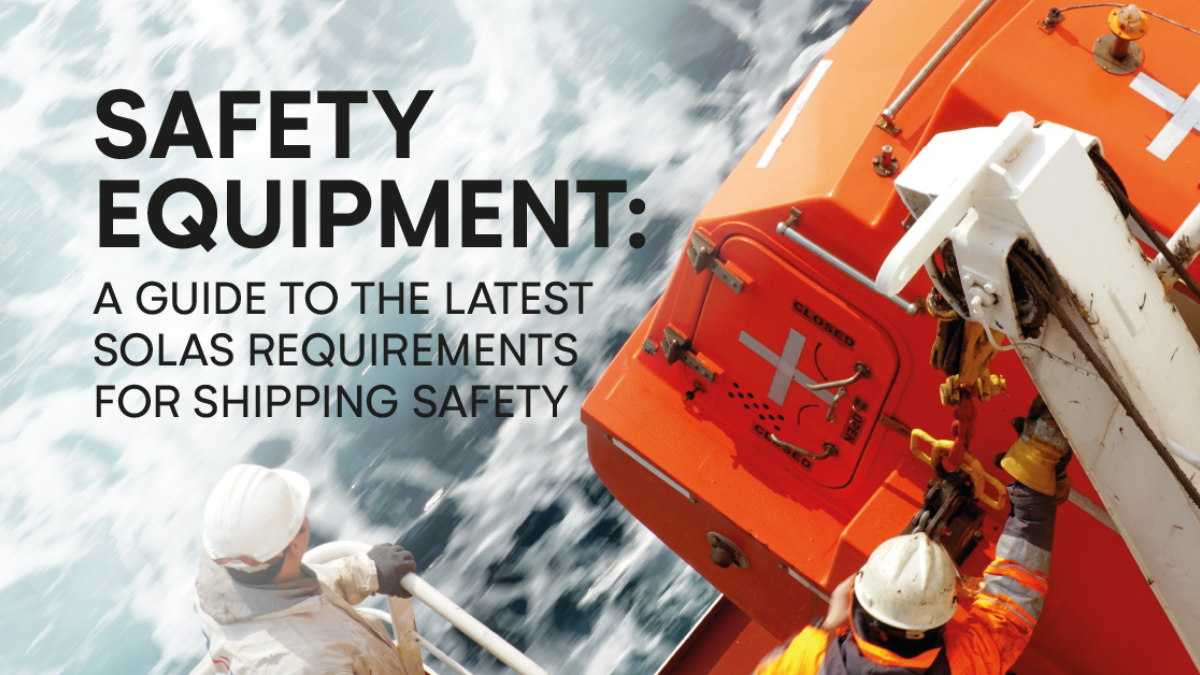
Maintenance and Inspection: Stricter guidelines for the regular maintenance and inspection of life-saving equipment, including lifeboats, life rafts, and life jackets to ensure functionality when needed.
Technology Integration: Incorporation of advanced technologies in life-saving appliances for better performance and durability, such as improved release and retrieval systems that can operate under harsh conditions.
Crew Training: Emphasising the importance of crew training in the operation, maintenance, and emergency use of life-saving appliances to maximise their effectiveness.
Incorporating New Technologies for Navigation and Ship Monitoring
This update leverages new technologies to enhance navigational safety and overall ship monitoring:
Electronic Navigation Tools: Mandating the use of Electronic Chart Display and Information Systems (ECDIS) and other electronic navigation tools to improve accuracy in navigation and reduce the risk of navigational errors.
Monitoring Systems: Integration of advanced monitoring systems that use sensors, AI, and data analytics to provide real-time insights into the ship's operational status, including structural integrity, engine performance, and environmental conditions.
Communication Technologies: Enhanced communication technologies that improve the flow of information between the ship and shore facilities, allowing for better coordination and response in emergencies.
Impact on Ship Management and Operations
The ripple effect of the latest SOLAS requirements on ship management and operations cannot be overstated. Compliance requires a thorough review and, often, an overhaul of existing safety protocols. For instance, the enhanced fire protection measures may require the installation of advanced fire detection and suppression systems.
Similarly, new standards for life-saving appliances mean that existing equipment may need to be upgraded or replaced entirely.
Integrating these requirements into daily operations demands not only financial investment but also a commitment to regular maintenance and crew training.
It underscores the importance of having a robust safety management system that is both flexible and resilient to change.
Procurement Roadmap to Compliance
For procurement, the path to compliance involves several key steps. Initially, it requires a comprehensive audit of current safety equipment and technologies against the latest SOLAS requirements. This audit will highlight areas requiring immediate attention, be it through upgrades or new acquisitions.
Identifying and Sourcing Compliant Equipment
The market for maritime safety equipment is vast and varied. Procurement executives must vet suppliers and products rigorously to ensure they meet SOLAS standards. This involves not just assessing the technical specifications
but also considering the reliability and support services offered by suppliers. Partnerships with reputable suppliers who are committed to quality and innovation can significantly ease the compliance burden.
Budgeting for Safety
Navigating the costs associated with maintaining SOLAS compliance is a delicate balance. Procurement must advocate for budgets that allow for the acquisition of high-quality, compliant equipment without compromising
the company’s financial health. It often involves making a business case for safety investments by highlighting the long-term savings in avoiding accidents and non-compliance penalties.
Training and Awareness for Safety at Sea
The human element is critical in the effective implementation of SOLAS regulations. Procurement should work closely with training departments to ensure that crew members are proficient in using new equipment and technologies.
This includes regular drills and training sessions that simulate emergency scenarios. Additionally, fostering a culture of safety within the organisation ensures that compliance is seen not as a checkbox exercise but as
a core value.
Ultimately, the goal is not just compliance for its own sake but the safeguarding of lives and the environment in the vast and unpredictable realm of the sea. As we look to the future, it is clear that embracing change and innovation will be key drivers for a safer maritime industry
Staying Ahead: Monitoring and Adapting to Future SOLAS Amendments
In a regulatory landscape that is constantly shifting, staying informed about potential changes to SOLAS requirements is crucial. Subscription to regulatory updates from the IMO, participation in maritime industry forums, and engagement with maritime safety organisations are all proactive steps towards anticipating future amendments.
Moreover, incorporating flexibility into procurement and training strategies ensures that companies can adapt more readily to new standards. Emphasising modular equipment systems and investing in scalable technologies can mitigate the impact of future regulations on operations and budgets.
The commitment to SOLAS compliance is a continuous journey that demands vigilance, adaptability, and a proactive stance from procurement executives in the maritime industry. By staying informed about the latest requirements, partnering with reputable suppliers, and fostering a culture of safety, companies can navigate these challenges effectively.
Ultimately, the goal is not just compliance for its own sake but the safeguarding of lives and the environment in the vast and unpredictable realm of the sea. As we look to the future, it is clear that embracing change and innovation will be key drivers for a safer maritime industry.